
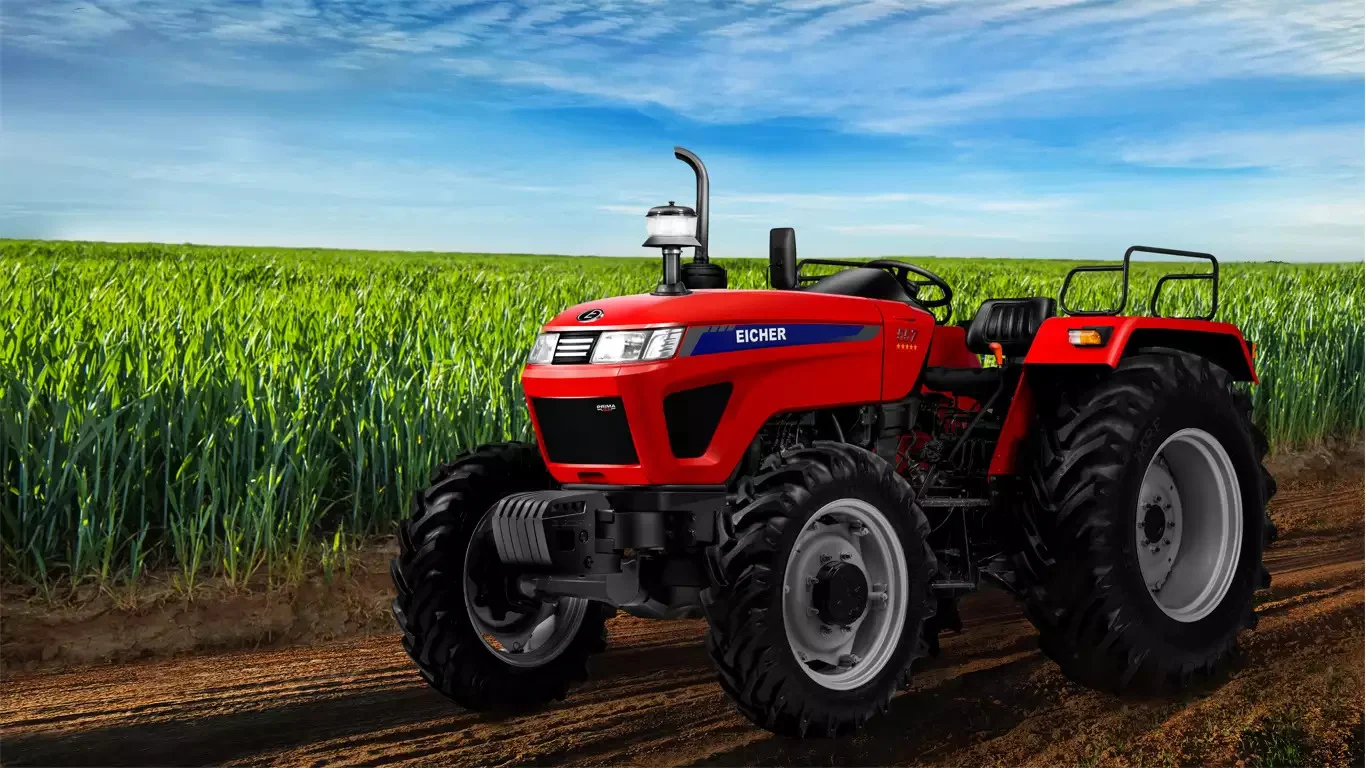
A tractor is one of the hardest-working machines on any farm. It handles tillage, sowing, hauling, spraying, and many other daily jobs. When one small component fails at the wrong time, the result is not just a repair bill. It can also mean missed fieldwork, delayed operations, and avoidable downtime.
A tractor spare parts name list helps farmers, mechanics, and buyers identify the right parts faster, communicate more clearly with suppliers, and avoid ordering the wrong replacement. In practice, the most important tractor spare parts usually fall into six groups: engine parts, clutch and transmission parts, hydraulic parts, steering and brake parts, filters, and electrical components. Knowing these names makes maintenance easier and replacement decisions smarter.
Mahindra and Eicher’s recent tractor guidance follows a similar system-based structure. It covers engine, transmission, hydraulics, filters, and electrical parts as the key components farmers should understand.
What Are Tractor Spare Parts?
Tractor spare parts are the replacement components used to maintain, repair, or restore a tractor’s performance. Some are wear parts that need periodic replacement, such as filters, hoses, clutch components, and seals. Others are core functional parts that may last longer but still need replacement when damaged or heavily worn, such as pumps, bearings, gears, and electrical components.
Knowing the names of these parts matters because modern tractors are system-driven machines. Power comes from the engine, moves through the clutch and transmission, gets applied through the wheels and PTO, and is supported by hydraulics, steering, brakes, and electrical systems. If one link in that chain fails, overall productivity drops.
Why Should Farmers Know Tractor Spare Parts Names?
Farmers do not need to become full-time mechanics, but knowing common tractor spare parts names offers real advantages.
It helps you explain a problem faster. Instead of saying “something near the lift is leaking,” you can ask for a hydraulic hose, seal, or valve check.
It reduces the chance of buying the wrong part. Part names, part numbers, and model compatibility matter, especially when tractors differ by brand, series, and application. Using the correct parts lookup and fitment support is far more reliable than guesswork. It helps buyers choose compatible replacements and avoid costly ordering mistakes.
It also helps with seasonal preparation. Before sowing, monsoon work, or harvest transport, a farmer who understands common replacement parts can inspect the right systems early and reduce downtime risk. Mahindra’s tractor maintenance guidance similarly highlights regular checks for filters, fluid levels, battery connections, belts, and hoses to keep a tractor reliable in field conditions.
Tractor Spare Parts Name List: 50 Essential Parts By Category
Below is a practical, farmer-friendly tractor spare parts name list grouped by system.
Quick View Table
| Category |
Examples of Essential Parts |
| Engine parts | piston, piston rings, cylinder liner, fuel pump, water pump |
| Clutch and transmission parts | clutch plate, pressure plate, gears, shafts, bearings |
| Hydraulic parts | hydraulic pump, control valve, lift arm, hoses, cylinders |
| Steering and brake parts | steering box, tie rod end, brake shoe, brake drum |
| Filters and service parts | oil filter, air filter, fuel filter, hydraulic fluid filter |
| Tractor electrical spare parts | starter motor, alternator, battery cable, fuse, solenoid |
Engine Parts
The engine is the heart of the tractor. It creates the power needed for field operations, transport, PTO work, and heavy pulling. Mahindra’s and Eicher’s parts guidance both place engine-related components at the centre of tractor performance and long-term durability.
Here are 10 essential engine parts:
- Cylinder head
- Piston
- Piston rings
- Cylinder liner
- Crankshaft
- Connecting rod
- Engine valves
- Head gasket
- Fuel injection pump
- Water pump
These parts handle combustion, compression, fuel delivery, cooling, and power transfer. If a piston ring wears out, compression can drop. If the head gasket fails, overheating and leakage can follow. If the water pump weakens, the cooling system can no longer manage engine heat effectively. Eicher’s cooling-system explanation and Mahindra’s maintenance guidance both underline how cooling and fluid health directly affect tractor reliability.
Clutch and Transmission Parts
After the engine produces power, the clutch and transmission system control how that power reaches the wheels and implements. Eicher’s recent transmission guide explains that tractor transmission systems depend on coordinated components such as gears, shafts, and clutch-linked mechanisms to transfer power efficiently.
Eight important parts in this section are:
- Clutch plate
- Pressure plate
- Release bearing
- Flywheel
- Gear set
- Main shaft
- Transmission bearings
- Oil seals
The clutch plate is one of the most commonly discussed wear items because it handles repeated engagement and disengagement during daily use. Bearings and seals also matter more than many buyers realise. A worn or faulty seal can lead to oil seepage or fluid loss. A worn bearing can produce noise, vibration, and progressive failure inside the transmission housing.
For a working farmer, these are not small issues. A slipping clutch or noisy gearbox usually means reduced pulling power, slower fieldwork, and eventually higher repair costs if the problem is ignored.
Hydraulic Parts
Hydraulics are what make a tractor useful beyond movement. They allow the machine to lift implements, control depth, manage attachments, and perform precision field operations. On many farms, hydraulic performance is directly tied to work quality and speed. Mahindra’s tractor specifications and maintenance content repeatedly reference hydraulic lifting capacity and proper hydraulic fluid levels as core parts of performance.
Eight essential hydraulic parts are:
- Hydraulic pump
- Hydraulic control valve
- Lift arm
- Hydraulic hose
- Hydraulic cylinder
- O-rings
- Hydraulic filter
- Rockshaft
If the hydraulic pump weakens, lift response may slow or become inconsistent. If a hose cracks, the system may leak and lose pressure. If O-rings fail, internal or external leakage can begin. Hydraulic filters are also a key maintenance item, because clean hydraulic flow plays an important role in smooth and reliable tractor performance.
A practical example is easy to understand. Suppose a farmer notices that the implement no longer lifts smoothly during land preparation. The issue may not always be a major internal failure. It could be a blocked hydraulic filter, a leaking hose, a worn seal, or a tired pump. Knowing these names speeds up diagnosis.
Steering and Brake Parts
Control and safety depend on the steering and brake systems. Loose steering components can affect directional stability, especially on uneven ground. Worn brake parts can make transport work risky, especially when the tractor is loaded or moving on inclines.
Six common parts here are:
- Steering wheel shaft
- Steering box
- Tie rod end
- Drag link
- Brake shoe
- Brake drum
These parts may not always be the first components a farmer thinks about, but they deserve regular attention. If a tie rod end develops excessive play, steering response can become vague. If the brake shoe wears down, braking performance drops, and overall safety suffers.
Filters and Routine Service Parts
Many major mechanical issues start with poor filtration or neglected service items. Mahindra’s maintenance recommendations put regular inspection of engine oil, coolant, hydraulic fluid, air filters, and fuel filters at the core of good tractor care.
Eight important parts in this category are:
- Air filter
- Engine oil filter
- Fuel filter
- Hydraulic oil filter
- Fan belt
- Radiator hose
- Grease nipple
- Coolant cap
The air filter protects the engine from dust-heavy farm conditions. The fuel filter helps keep contaminants out of the fuel system. The oil filter protects internal engine surfaces by supporting clean lubrication. The hydraulic filter helps the lift system operate reliably. Belts and hoses also deserve attention because cracks, leaks, and slippage often appear before a full failure. Mahindra’s maintenance guidance specifically recommends regular inspection and timely replacement of belts and hoses to prevent unexpected breakdowns.
Tractor Electrical Spare Parts
This is one of the most important tractor spare parts names as the performance depends heavily on dependable starting, charging, lighting, and switching. A tractor with healthy engine parts but weak electrical components can still fail to start or operate reliably.
Ten key tractor electrical spare parts are:
- Starter motor
- Alternator
- Battery
- Battery cable
- Wiring harness
- Fuse
- Relay
- Solenoid
- Ignition switch
- Headlight switch
Mahindra’s battery maintenance guidance explains why the battery, starter, alternator, and charging circuit are closely linked. A tractor battery powers the starter motor during cranking. When the tractor is running, the alternator recharges the battery and supports electrical systems. Voltage readings below normal may signal charging-system issues, while dirty terminals or loose cable connections can also create starting trouble.
This is why electrical diagnosis should not begin and end with “battery is weak.” A no-start problem may involve the starter motor, solenoid, alternator, cable connection, switch, or fuse.
Which Tractor Spare Parts Wear Out Most Often?
Not every part wears at the same rate. In real farm conditions, the most frequently replaced items are usually the service and wear components.
Here is a useful shortlist:
| Frequently replaced part | Why does it wear out |
Common sign |
| Air filter | dust exposure | poor airflow, smoke, reduced efficiency |
| Fuel filter | contamination | rough running, fuel restriction |
| Engine oil filter | regular service cycle | dirty lubrication |
| Clutch plate | repeated engagement | slipping, poor pickup |
| Hydraulic hose | pressure, age, heat | leaks |
| Fan belt | friction and age | squeal, poor drive |
| Battery | charging cycles and age | slow starting |
| Brake shoe | friction wear | weak braking |
Why Genuine Tractor Spare Parts Matter
Not every replacement part offers the same fit, material quality, or service life. Official manufacturer parts pages from leading tractor manufacturers emphasise genuine or factory-specification parts for correct fitment, dependable performance, and proper service support.
Here is the practical difference:
|
Factor |
Genuine Tractor Spare Parts |
Low-Quality Alternatives |
| Fitment | usually more precise | can vary |
| Material consistency | more reliable | inconsistent |
| Service life | generally longer | often shorter |
| Performance stability | better | may fluctuate |
| Downtime risk | lower | often higher |
A low-cost duplicate part may look similar on the shelf, but if it fails early, the total cost increases. Labour gets repeated. Downtime stretches. In peak farming windows, even a short stoppage can cost more than the price difference between parts.
How to Identify the Right Tractor Spare Part Before Buying
Before buying any part, especially online or in urgent conditions, check the basics first.
- Confirm the tractor brand and model
- Match the part number where possible
- Compare the old part physically
- Ask whether the part is genuine or OE-grade
- Verify the application, especially for electrical and hydraulic parts
- Buy from a trusted supplier or dealer with product knowledge
This is why you should use illustrated parts lookup and expert guidance. Always verify fitment carefully instead of guessing.
For example, two tractors may both use a starter motor, but the mounting pattern, voltage, tooth count, and wiring connection may differ. The same is true for filters, hydraulic seals, and belts.
Quick Maintenance Tips to Extend Part Life
A good tractor spare parts strategy is not only about replacement. It is also about extending the life of the parts already in use.
Follow these practical habits:
- Clean the tractor after dusty or muddy use
- Check engine oil, coolant, and hydraulic fluid regularly
- Replace filters on time
- Inspect battery terminals and cable tightness
- Watch for hose cracks and belt wear
- Lubricate grease points at proper intervals
- Store the tractor properly when not in use
- Address small leaks and noises early
Mahindra’s maintenance guidance specifically recommends routine cleaning, fluid checks, filter inspection, lubrication, battery care, and prompt replacement of damaged belts and hoses.
Conclusion
A clear tractor spare parts name list is not just a technical reference. It is a practical advantage for farmers, mechanics, and buyers who want quicker repairs, better maintenance planning, and fewer costly mistakes. When you understand the names and roles of key engine, hydraulic, clutch, brake, filter, and electrical components, it becomes much easier to identify issues early and order the right replacement with confidence. In day-to-day farming, that knowledge can reduce downtime, improve machine reliability, and help keep important work on schedule. Over time, informed spare-parts decisions also support better tractor performance, lower repair stress, and more dependable field operations.
FAQs on Tractor Spare Parts Name List
1. What are the most important tractor spare parts?
The most important tractor spare parts usually include engine components, clutch parts, transmission parts, hydraulic components, filters, brake parts, and electrical items such as the starter motor, alternator, battery, fuses, and wiring.
2. What are tractor electrical spare parts?
Tractor electrical spare parts include the starter motor, alternator, battery, battery cables, wiring harness, solenoid, relay, fuse, and switches. These parts support starting, charging, lighting, and electrical control.
3. Which tractor parts need regular replacement?
Filters, clutch plates, belts, hoses, brake shoes, and batteries are among the parts most likely to need regular replacement because they face dust, heat, friction, pressure, and repeated daily use.
4. Why should I buy genuine tractor spare parts?
Genuine tractor spare parts generally offer better fitment, more dependable material quality, and lower downtime risk. Manufacturer service guidance from Mahindra also supports the use of genuine or factory-specification parts for reliability and proper support.
5. Can one tractor part fit all tractor models?
No. Part compatibility depends on the tractor’s make, model, system type, and sometimes even variant or production series. Buyers should check model details and part numbers before ordering.
Find the Right Tractor Spare Parts with Confidence
When you need dependable tractor spare parts, choosing the right supplier matters as much as choosing the right part. From everyday replacement items to critical genuine tractor spare parts and tractor electrical components, the right guidance can save time, reduce confusion, and help avoid incorrect purchases.
Krishna Auto Electric supports farmers, workshops, and buyers looking for reliable parts backed by practical product knowledge and fitment support. Whether you need help identifying a tractor spare parts name, matching a part to your tractor model, or sourcing quality replacements from a trusted supplier, our team is ready to assist.
Connect with Krishna Auto Electric at +(91)-97120-63530 or
+(91)-97124-63530 to find the right part faster. Make smarter buying decisions, and keep your tractor ready for the work that matters most.