
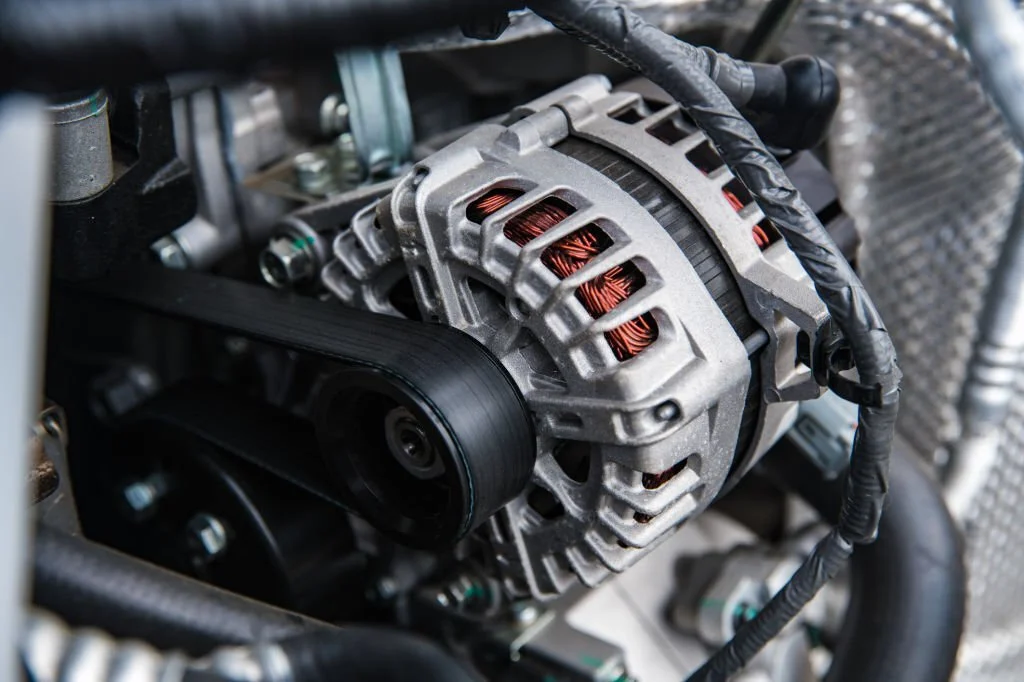
When it comes to reliable and efficient engine ignition, the Lucas TVS starter motor is often the unsung hero behind a vehicle’s smooth starting process. Whether you own a car, truck, or commercial vehicle, the starter motor plays a crucial role in cranking the engine and ensuring that it runs smoothly. A faulty starter motor can lead to engine startup issues, which can be frustrating and expensive. That’s why testing your Lucas TVS starter motor before you buy it is essential for ensuring that your vehicle remains dependable on the road.
In this comprehensive guide, we will take you through the process of testing a Lucas TVS starter motor step by step. From visual inspections to technical testing, you’ll learn how to evaluate the motor’s performance and identify any potential issues before making a purchase. Let’s get started!
How Does the Starter Motor Function
Before we dive into the testing process, it’s essential to understand exactly what a starter motor is and why it is so critical for your vehicle. A starter motor is an electric motor that is responsible for starting your engine. When you turn the ignition key, the starter motor engages and cranks the engine to life, initiating the combustion process. Without a functional starter motor, your engine will not start, and you’ll be left stranded.
Lucas TVS starter motors are known for their reliability, high performance, and durability. These motors are designed to work seamlessly under various conditions, providing smooth and reliable engine starts. However, even a high-quality starter motor like the Lucas TVS starter motor can have issues if it’s damaged or worn out, which is why it’s essential to test it before purchase.
Why Should You Test a Starter Motor Before Buying It?
Purchasing a Lucas TVS starter motor is a significant investment, and you want to ensure that you are buying a product that will perform efficiently for years to come. Here are some reasons why testing the starter motor before buying is crucial:
- Prevent Unnecessary Expenses: If you buy a faulty starter motor, it could lead to further issues in your vehicle’s electrical system, resulting in costly repairs.
- Avoid Inconvenience: A faulty starter motor may show signs of failure in the form of intermittent starting issues. Testing beforehand ensures that you avoid being stuck on the side of the road.
- Verify Quality: While Lucas TVS starter motors are known for their quality, testing helps verify that you’re getting a genuine, properly functioning product.
By testing the Lucas TVS starter motor, you ensure that it’s in perfect working condition, saving you from potential headaches down the road.
Steps to Test Your Lucas Starter Motor Before Making an Investment
Step 1: Visual Inspection of the Starter Motor
The first and easiest step in testing a Lucas TVS starter motor is a thorough visual inspection. This helps identify obvious problems such as physical damage, corrosion, or wear. Here’s what you need to check:
Inspect the Motor Housing
The housing of the Lucas TVS starter motor should be intact and free from cracks or damage. Any visible cracks could indicate that the motor has been subjected to excessive heat or physical stress, which can affect its performance.
Check the Electrical Terminals
Next, examine the electrical terminals on the starter motor. They should be free from rust or corrosion. Corroded or loose terminals can prevent proper current flow, causing the starter motor to fail during operation. If you see signs of corrosion, it’s best to avoid purchasing that motor.
Examine the Pinion Gear
The pinion gear, which engages with the engine flywheel to crank the engine, is another critical component of the Lucas TVS starter motor. The pinion gear should be free of wear, cracks, or broken teeth. A damaged gear will prevent the motor from properly engaging with the engine, leading to failed starts or grinding noises.
Look for Wear and Tear on Brushes
The brushes in the starter motor make contact with the commutator, which is essential for transferring electrical power. If the brushes are worn down, the motor will not receive enough power to start the engine. Make sure the brushes are not excessively worn or damaged.
Step 2: Bench Testing the Starter Motor
A bench test is one of the most effective ways to determine if a Lucas TVS starter motor is working properly. This test simulates the operating conditions of the motor without having to install it in a vehicle. Here’s how you can perform a bench test:
What You Will Need
- A 12-volt power supply (or a car battery)
- A multimeter to check voltage and current
- Jumper wires to connect the motor to the power supply
How to Perform the Bench Test:
- Disconnect the starter motor from any vehicle components.
- Connect the positive terminal of the power supply to the positive terminal on the starter motor and the negative terminal of the power supply to the negative terminal on the motor.
- Activate the power supply and observe the starter motor. It should start spinning immediately and smoothly without hesitation or strange sounds.
- Use the multimeter to measure the voltage and current drawn from the starter motor. The voltage should remain stable at around 12 volts, and the current draw should be within the normal range (typically 50-100 amps, depending on the model).
- Listen for smooth operation. There should be no abnormal noises like grinding or squealing. If the motor fails to start or produces irregular sounds, it’s likely faulty.
Step 3: Voltage and Current Draw Test
The voltage and current draw test is a critical test for determining if the Lucas TVS starter motor is functioning properly under load. Here’s how to perform this test:
Steps for Voltage Test:
- Connect the starter motor to the power supply as described in the bench test.
- Use a voltmeter to measure the voltage at the motor’s terminals while it’s operating. The voltage should be consistent and around 12 volts, which is the typical operating voltage for a 12V starter motor.
Steps for Current Draw Test:
- Clamp the multimeter around the positive terminal of the starter motor to measure the current.
- The current draw should be within the recommended range. A high current draw indicates potential internal damage, such as a short circuit in the coils or an issue with the armature.
This test ensures that the Lucas TVS starter motor is not drawing excessive current, which could indicate an internal fault or damage.
Step 4: Free-Run Test for Smooth Operation
A free-run test is used to assess the motor’s ability to spin freely and smoothly when activated. This test is critical for checking for internal friction, misalignment, or bearing issues.
Steps for Free-Run Test:
- Connect the starter motor to the power supply as in previous tests.
- Activate the motor and let it spin without attempting to start the engine. Pay close attention to any irregularities in speed or noise.
- Listen for grinding or squeaking sounds that could indicate issues with the bearings or internal components.
- The motor should spin smoothly and quietly. Any strange noise could signal the need for repairs or that the motor is defective.
Step 5: Testing the Solenoid
The solenoid is an essential component that engages the Lucas TVS starter motor with the engine’s flywheel. It’s essential to test the solenoid to ensure it is functioning correctly. Here’s how:
- Activate the starter motor and listen for the solenoid’s engagement. You should hear a distinct click as the solenoid engages the pinion gear.
- Check for solenoid movement: The solenoid should move the pinion gear forward to engage with the engine flywheel. If there is no movement or a delay, the solenoid may be defective.
- Inspect the solenoid contacts: Ensure there are no worn-out or damaged contacts. A faulty solenoid will cause intermittent or complete failure to engage the starter motor.
Step 6: Confirm Compatibility with Your Vehicle
Before purchasing a Lucas TVS starter motor, it is essential to ensure it is compatible with your vehicle. Here’s what you need to verify:
- Check Your Vehicle’s Specifications: Ensure that the motor is compatible with your vehicle’s engine type and size. Starter motors come in various sizes and power ratings, so it’s crucial to choose the one that matches your vehicle.
- Consult the Manufacturer or Authorised Dealer: If you’re uncertain about the compatibility of the Lucas TVS starter motor, consult with an authorised dealer who can guide you based on your vehicle’s specifications.
How to Ensure You’re Buying a Genuine Lucas TVS Starter Motor
Ensuring the authenticity of your Lucas TVS starter motor is critical for ensuring longevity and performance. Here’s how you can avoid counterfeit products:
- Buy from Authorised Dealers: Always purchase your Lucas TVS starter motor from an authorised dealer or certified distributor.
- Check for Certification and Warranty: Genuine products typically come with a warranty or certification that proves they are from the official manufacturer.
- Inspect the Packaging: Authentic Lucas TVS starter motors come in official branded packaging with part numbers and quality certification.
- Check Prices: Be cautious of offers that appear unusually low. Counterfeit or damaged parts may be sold at a lower price, but they will compromise your vehicle’s performance in the long run.
Key Takeaway
Testing a Lucas TVS starter motor before purchasing it is essential for making an informed decision. Whether you perform visual checks, bench tests, or current draw tests, these steps ensure that the motor you buy will perform reliably and efficiently.
When you’re in the market for a starter motor, always ensure you’re buying from a reputable source. A genuine motor is designed to provide consistent and dependable service, ensuring that your vehicle starts smoothly every time.
Frequently Asked Questions
1. How long does a Lucas TVS starter motor typically last?
The lifespan of a Lucas TVS starter motor can vary depending on the vehicle’s usage, driving conditions, and maintenance. On average, it can last between 100,000 to 150,000 miles (approximately 160,934 to 241,401 kilometres). Regular maintenance and timely inspection can help extend its lifespan.
2. Can I repair a faulty Lucas TVS starter motor instead of replacing it?
In some cases, a faulty Lucas TVS starter motor can be repaired if the issue is minor, such as a worn-out solenoid or brushes. However, if the motor’s core components are damaged, it is more cost-effective and reliable to replace them with a new one.
3. What causes a Lucas TVS starter motor to fail prematurely?
Common causes of premature failure include poor maintenance, electrical issues, a faulty solenoid, or excessive wear due to extreme weather conditions or heavy usage. It’s important to regularly inspect and maintain the starter motor to prevent these issues.
4. Is it safe to install a Lucas TVS starter motor myself, or should I hire a professional?
While experienced DIYers with the right tools may install a Lucas TVS starter motor themselves, it is recommended to hire a professional mechanic for proper installation. This ensures the motor is installed correctly, preventing damage and ensuring optimal performance.
5. How do I know if my vehicle is compatible with a Lucas TVS starter motor?
Verify compatibility by reviewing your vehicle’s make, model, and engine details. Consulting an authorised Lucas TVS starter motor dealer or mechanic can help confirm if the motor will fit and function correctly in your vehicle.
Your One-Stop Shop for High-Quality Automobile Spare Parts!
When it comes to maintaining your vehicle’s performance, the right automobile spare parts make all the difference. At Krishna Auto Electric, we provide a wide selection of top-tier automobile spare parts, including Lucas TVS starter motors, Lucas TVS alternator parts, and other essential components designed to keep your vehicle running smoothly. Whether you need a reliable starter motor or a durable alternator, we have exactly what you need.
As an authorised Lucas TVS alternator distributor, we ensure that all our parts are genuine and meet the highest standards of quality. From engine starting to electrical system support, our Lucas TVS starter and alternator parts are built to perform in the toughest conditions, giving your vehicle the reliability it deserves.
Choose from our premium selection of automobile spare parts that are designed to last. With our expert team ready to assist you, you’ll find the perfect part for your vehicle in no time.
Browse our collection today and get the right automobile spare parts for your vehicle. Or, you can call us at +(91)-97124-63530 or +(91)-84889-68382 for any queries.