
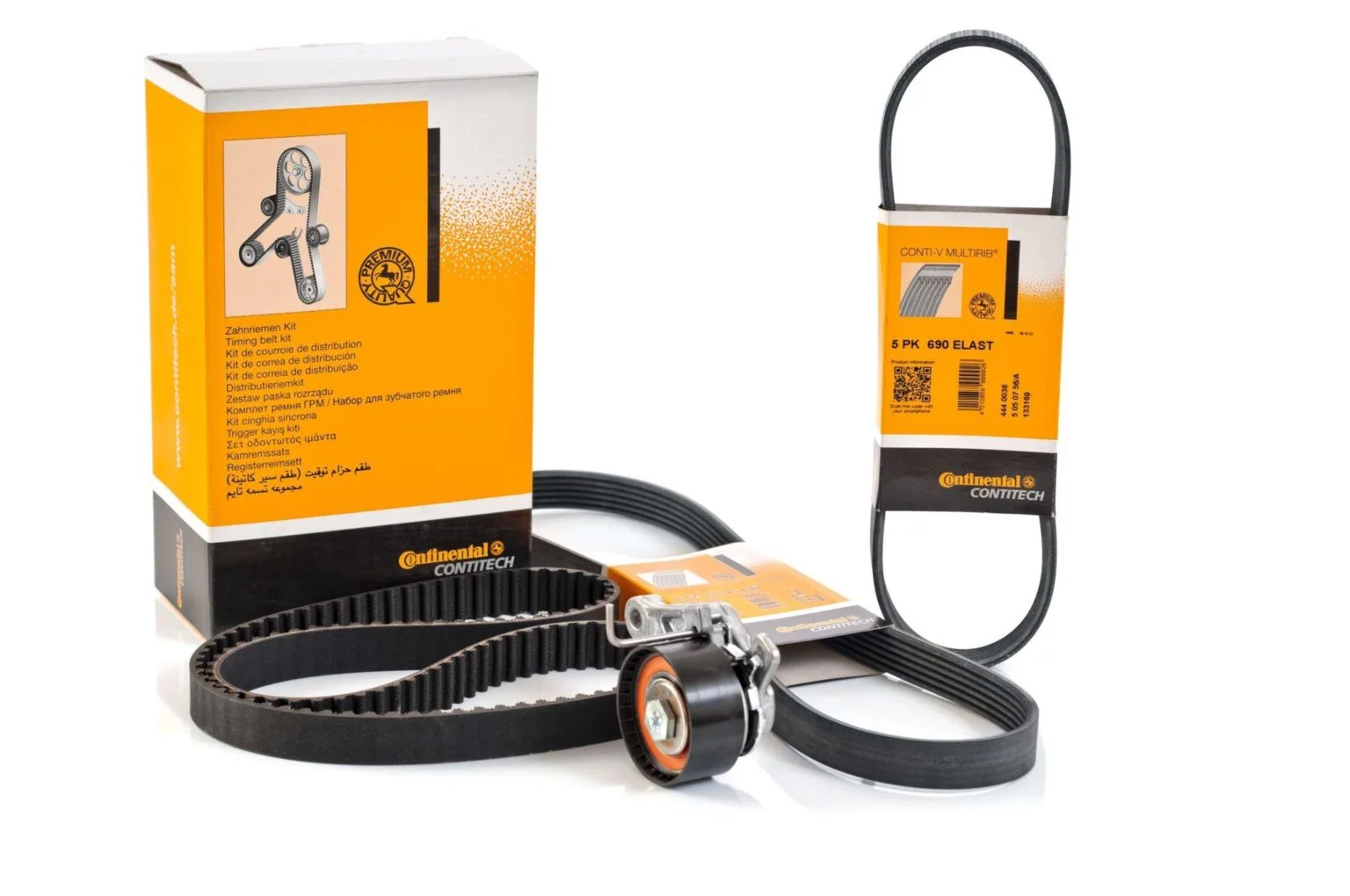
India runs on machines. Whether it’s a tractor in Punjab, a packaging line in Gujarat, or a mining conveyor in Odisha, smooth power transfer decides how much work gets done in a day. This is where Continental transmission belts, including continental drive belts, V belts, Poly-V belts, and timing belts, play a major part.
Continental products have earned a place in India’s industrial supply chain for one main reason: they perform well under pressure. Heat, dust, long operating hours, and sudden load shifts are normal in Indian plants and equipment. Belts that can handle these conditions without frequent adjustments naturally become the preferred choice.
If you maintain equipment or manage sourcing for a plant, you’ll gain a lot by knowing which industries lean most on Continental, and which belt works best for each type of drive.
This guide walks you through the major sectors that rely on these belts, why they choose them, and how buyers can pick the right one from the Contitech range.
Why Indian Industries Depend on Continental Transmission Belts
Before diving into specific industries, it helps to understand why these belts are in demand across India.
1. Strong Performance in Harsh Environments
Hot engine bays, dusty cement plants, humid packaging units, and open-field farm machinery push belts to their limit. Continental’s compounds and construction methods handle heat, abrasion, and prolonged flexing with ease.
2. Wide Product Range
From classical V belts used in motors to narrow-section belts, Poly-V belts for compact drives, and high-strength timing belts, finding a match for any equipment is easier.
3. Consistent Supply in Indian Markets
Continental V-belt distributors operate across major hubs like Delhi, Mumbai, Chennai, Kolkata, Ahmedabad, and Coimbatore. This makes replacements and bulk orders straightforward for OEMs and plant managers.
4. Reliable Performance
Stable grip, lower slip, and slow wear help plants reduce downtime. For industries that run machines around the clock, longevity and steady power transfer matter more than anything else.
Top Industries in India Using Continental Transmission Belts
Indian industry is wide, but the core sectors that depend on Continental belts tend to use heavy machinery or equipment that must run without frequent interruptions. Let’s go one by one.
1. Automotive Manufacturing and Service
Almost every passenger car, bus, or truck on Indian roads uses a combination of belts for cooling, alternator drives, steering assist, and AC compressors. Continental belts have become a dependable choice for both OEMs and suppliers.
Where the belts are used:
- Alternators
- Water pumps
- Power steering
- AC compressor drives
- Fan drives
Best-fit Continental belts:
- Narrow-section V belts such as XPZ or AVX
- Poly-V belts for compact front-end accessory drives
- Timing belts for diesel and petrol engines
Selection factors:
- Heat handling in crowded engine bays
- Grip under changing engine speeds
- Noise reduction
- Ability to handle misalignment from worn pulleys
Automotive manufacturing and workshops value these belts because they cut down frequent come-backs and reduce the chances of belt slip under load. For distributors, stocking Continental or Contitech belts brings steady demand from service centres.
2. Cement, Mining, and Heavy Industry
Cement plants, mining sites, and ore processing units operate in some of the toughest conditions. Dust, shock loads, and high power requirements put drive belts under serious stress.
Where the belts are used:
- Conveyors
- Crushers
- Mixers
- Blowers
- Compressors
Best-fit Continental belts:
- Heavy-duty wrapped V belts
- Cogged raw-edge belts for torque-intensive drives
- Narrow V belts for compact high-power systems
Selection factors:
- Dust resistance
- Flex strength to handle uneven loads
- Capacity to transmit high torque
- Grip under high pulley tension
- Long-running cycles
A mining or cement plant can lose lakhs of rupees in a day if a belt-driven conveyor stops. This is why these sectors gravitate toward stronger Continental belts that last longer and need fewer shutdowns.
3. Agriculture and Farm Machinery
India’s farm sector depends heavily on tractors, harvesters, seed drills, threshers, and pumps. These machines often run outdoors for long hours, facing dirt, temperature swings, and frequent load changes.
Where the belts are used:
- Tractor engines
- PTO drives
- Combine harvesters
- Irrigation pump motors
- Rotavators and threshers
Best-fit Continental belts:
- Agricultural V belts are built for outdoor exposure
- High-flex belts that can handle small pulley diameters
- Heat-stable belts for tractor engines
Selection factors:
- Flex fatigue resistance
- Good grip even with dust build-up
- Weather resistance
- Smooth running under sudden load variations
Farm equipment dealers often choose ContiTech belts or Continental belts because they reduce breakdowns during peak harvesting seasons. A belt that fails at the wrong time can ruin an entire crop cycle, so reliability is vital.
4. Power Generation (Diesel / Gas Gensets)
India uses gensets for factories, hospitals, telecom towers, residential societies, and construction sites. These engines often run for long hours, making belt reliability important.
Where the belts are used:
- Alternators
- Cooling fans
- Water pumps
- Compressors
Best-fit Continental belts:
- Classical V belts with a strong grip
- Matched set of belts for drives that use multiple belts
- Poly-V belts for high-speed alternator drives
Selection factors:
- Continuous runtime without stretching
- Steady tension under heat
- Lower vibration
- Need for matched sets when multiple belts run on the same drive
A mismatched set can cause early wear, heat buildup, and noise. Using a matched set from a trusted brand like Continental eliminates this issue.
5. HVAC Systems and Industrial Air Handling
Commercial and industrial buildings rely heavily on HVAC units. Fans, compressors, blowers, and cooling towers rely on dependable belt drives to keep air movement smooth.
Where the belts are used:
- AHUs
- FCUs
- Blowers
- Chillers
- Cooling tower fans
Best-fit Continental belts:
- Raw-edge moulded belts for high-speed operation
- Poly-V belts for compact blower drives
- Wrapped belts for high-humidity environments
Selection factors:
- Stable performance at high RPM
- Slip-free operation
- Lower vibration
- Smooth, quiet running
HVAC contractors and facility managers value belts that need minimal adjustment. Continental’s consistent grip helps maintain air volume without sudden drops in performance.
6. Food Processing and Packaging
These sectors need clean, steady, and vibration-free power transfer. Conveyor drives, slicers, mixers, and packaging machines all need belts that run clean and smoothly.
Where the belts are used:
- Conveyors
- Dough mixers
- Wrapping machines
- Bottle filling lines
- Sorting equipment
Best-fit Continental belts:
- Anti-static belts
- Clean-running raw-edge belts
- Low-noise belts for packaging halls
Selection factors:
- Smooth running to prevent spillage
- Low particle shedding
- Tight control of tension
- Tolerance to moisture or heat in processing zones
Plants in this sector like Continental because the belts help maintain product hygiene while keeping equipment stable at various speeds.
7. Construction and Earthmoving Equipment
Machines such as excavators, loaders, crushers, and utility vehicles work in harsh outdoor environments. They often operate in mud, dust, and extreme heat.
Where the belts are used:
- Engine accessory drives
- Hydraulic pump drives
- Air compressor drives
Best-fit Continental belts:
- Heat-resistant heavy-duty belts
- Solid timing belts for core engine functions
- High-torque V belts for rugged conditions
Selection factors:
- Oil resistance
- High torque capability
- Grip under constant load
- Outdoor durability
Contractors and fleet operators go for Continental because belt failures in the field bring work to a halt and increase rental penalties or fuel waste.
How to Pick the Right Continental Transmission Belt for Any Industry
Selecting a belt is not guesswork. It involves a few simple checks. Doing these right prevents premature belt failure and reduces maintenance calls.
1. Understand the Drive Requirements
Before picking a belt, get clarity on:
- Pulley distance
- Pulley profile
- Speed ratio
- Maximum load expected
- Start-stop cycles
If a drive has small pulleys or high RPM, narrow V belts or Poly-V belts usually make more sense. If torque is high, wrapped or cogged belts handle the load better.
2. Match the Belt Profile Correctly
Here’s a quick guide to common Continental belt profiles:
- Classical V Belts (A, B, C sections): Good for general-purpose machinery.
- Narrow V Belts (SPZ, SPA, SPB): Carry more power and suit compact drives.
- Poly-V Belts (PK, PJ profiles): Ideal for high-speed automotive and HVAC drives.
- Timing Belts (HTD, STD profiles): Perfect for synchronous drives that need precision.
For buyers, using the Continental v-belt catalogue or Contitech catalogue helps match belt codes to the equipment requirement.
3. Know the Belt Construction
Wrapped belts
- Withstand dust better
- Handle shock loads
- Good for outdoor and dusty environments
Raw-edge belts
- Better grip
- Higher efficiency
- Suited for HVAC, automotive, and high-speed machinery
Cogged belts
- Bend better over small pulleys
- Run cooler
- Suited for high torque and compact drives
Understanding these allows you to match the belt to the machine’s stress level.
4. Consider the Operating Environment
Heat, dirt, moisture, and chemicals all impact belt life.
- Heat: Needs heat-stable compounds
- Dust: Requires wrapped belts
- Moisture: Needs good bonding and anti-slip properties
- Oil exposure: Needs oil-resistant compounds
A belt that performs well in a clean workshop might fail quickly in a cement plant. Choosing the right material avoids this issue.
5. Know When to Use Heavy-Duty Series
Heavy-duty belts are ideal for:
- High-horsepower motors
- Crushers
- Compressors
- Continuous 24×7 operation
- Mining and industrial drives
They resist stretching and cracking even under high tension.
6. Know When Matched Belt Sets Are Needed
If your drive uses two or more belts side by side, always pick matched sets from a reliable brand like Continental. Unmatched belts cause:
- Uneven load sharing
- Faster wear
- Heat generation
- Noise
Matched belts run evenly and last far longer.
Signs You Might Be Using the Wrong Belt
Even the best belt wears out early if it’s the wrong fit. Watch for:
- Cracking
- Glazing
- Belt slip
- Frequent tension adjustments
- Excess heat
- Noise at startup
If you see any of these signs, switching to a higher-grade belt or a more suitable profile avoids repeated breakdowns.
When It Makes Sense to Upgrade to Continental or Contitech Belts
Plant managers and fleet operators often switch to Continental when:
- Belts fail due to heat
- There is a frequent slip
- Equipment runs around the clock
- Noise complaints increase
- Local belts stretch too quickly
Why Buying from Authorised Continental V Belt Distributors Helps
Working with authorised dealers and suppliers, such as Krishna Auto Electric, brings several benefits:
- Verified genuine belts
- Stable stock across belt sizes
- Support with catalogue selection
- Access to matched sets
- Better consistency in belt quality
This also reduces the risk of counterfeit belts, which are common in high-volume markets. If you’re in the trade, stocking from authorised channels signals trust and reduces customer complaints.
Frequently Asked Questions
1. Which industries in India use Continental transmission belts the most?
Sectors like automotive manufacturing, cement, mining, HVAC, agriculture, and food processing use Continental transmission belts because they handle heat, dust, and long operating hours. Many plants prefer them for a steady grip, long belt life, and easy sourcing through continental V-belt distributors.
2. How do I pick the right Continental drive belt for my equipment?
Check your pulley size, speed, load, and working conditions. Then match the profile using the Continental v-belt catalogue or Contitech charts. Drives with high torque often need wrapped or cogged belts, while compact, high-speed systems work better with Poly-V or timing belt options.
3. Are Contitech belts and Continental transmission belts the same?
Contitech belts and Continental transmission belts come from the same parent group but cover different product ranges. Both follow strict quality standards. Plants and workshops use them interchangeably depending on the drive type, horsepower needed, and whether they want a timing belt or a V belt.
4. Where can I buy Contitech V Belts in India?
You can buy Contitech V Belts directly from Krishna Auto Electric, one of the leading authorised dealers and dependable suppliers in India. We provide genuine belts, correct profiles, and matched sets for multi-belt drives. Our stock supports heat, dust, and long operating hours, making it a reliable choice for workshops and industrial buyers.
5. When should I replace a Continental drive belt or timing belt?
Replace a Continental drive belt or timing belt if you see cracks, glazing, slip, vibration, or frequent tension loss. Harsh heat, dusty sites, and continuous operation shorten belt life. Using the right profile from the Continental V-belt catalogue helps reduce early failures.
Looking for Reliable Automobile Spare Parts? Let’s Help You Source the Right Fit
If you’re tired of searching for dependable automobile spare parts and want a supplier who understands quality, compatibility, and fast delivery, you’re in the right place. Whether you manage a workshop, handle fleet maintenance, or source parts for resale, you deserve components that hold up under real-world conditions, not just on paper.
At Krishna Auto Electric, we supply trusted engine belts, filters, brake components, suspension parts, and a wide range of replacement auto spare parts built for long service life. Every product is checked for fit, performance, and durability so you can service vehicles with confidence.
Tell us what you need, and we’ll guide you toward the right options, share specs, and help with bulk or recurring orders. With steady stock, clear communication, and reliable dispatch times, we keep your downtime low and your business moving.
Reach out to us at +(91)-97124-63530 or +(91)-84889-68382 and secure the automobile spare parts your customers depend on.